Chipmunk Traps: A Humane and Effective Solution for Sustainable Agriculture
Chipmunks, while charming, can cause significant damage to crops, leading to substantial financial losses for farmers. Traditional methods of rodent control often involve harmful chemicals with negative environmental consequences. This guide details how to effectively use chipmunk traps from Tractor Supply as part of a larger integrated pest management (IPM) strategy for sustainable agriculture. We'll cover trap selection, humane handling, and the crucial role of preventative measures to minimize environmental impact. For more information on Tractor Supply, visit their website here.
Choosing and Using Chipmunk Traps from Tractor Supply
Tractor Supply provides various trap types, each with differing levels of effectiveness and environmental impact. Understanding these differences is crucial for responsible pest management.
Trap Types:
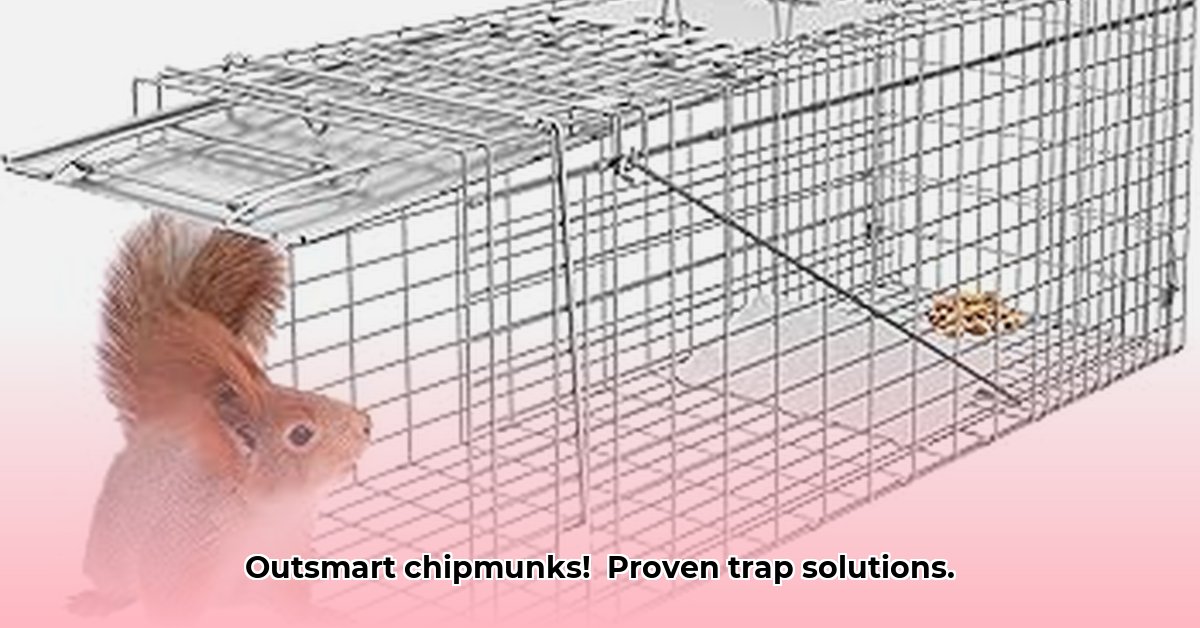
Live Traps: These traps capture chipmunks alive, allowing for humane relocation away from your property. This is generally the preferred method for environmentally conscious farmers. (Relocation distances should be significant to prevent re-entry.)
Kill Traps: These quickly and efficiently eliminate chipmunks. However, this method raises ethical and environmental concerns due to the disposal of the animals. (Local regulations regarding carcass disposal must be followed).
Choosing the Right Trap: Consider ease of use, safety features, and the overall goals of your IPM strategy. Read reviews and compare features before purchasing. Trapping is just ONE tool in a larger strategy.
Step-by-Step Trapping Guide:
Strategic Placement: Observe chipmunk activity to identify high-traffic areas, such as burrows, trails, or areas with the most damage. Position traps near these areas, camouflaging them for optimal results.
Effective Baiting: Chipmunks are attracted to sunflower seeds, nuts, and grains. Experiment with different baits to determine the most successful option for your location. A small amount of bait is sufficient; too much can deter the chipmunk.
Regular Monitoring: Check traps daily, or even more frequently, to ensure the humane treatment of captured animals. Prompt action is vital if animals are captured.
Humane Relocation (Live Traps): If using a live trap, relocate chipmunks at least one mile from your property to a suitable habitat with abundant food and shelter. Consult your local wildlife authority for guidance on appropriate release sites.
Responsible Disposal (Kill Traps): If you elect to use kill traps (a less preferred method), dispose of captured animals according to local regulations. This often involves burying the carcass at a significant distance from your property. Always adhere to local guidelines.
Isn't consistent monitoring a time-consuming aspect of live-trapping? How can farmers balance this with other farm tasks? While monitoring is necessary, the long-term benefits of humane pest control outweigh the time investment. Farmers can incorporate trap checks into their regular routines or delegate the task to reliable farmhands.
Beyond Trapping: Integrated Pest Management (IPM) for Sustainable Rodent Control
Relying solely on trapping is rarely sufficient for long-term pest control. A comprehensive IPM strategy is essential for sustainable agriculture.
Key Components of IPM:
Habitat Modification: Reduce chipmunk habitat by removing brush piles, sealing cracks in buildings and structures, and keeping areas clean. This eliminates hiding places, reducing the attractiveness of your property.
Preventative Measures: Securely store food, using rodent-proof containers. Seal any potential entry points into buildings and storage areas. Regular cleaning and sanitation practices are also vital.
Natural Predators: Encourage natural predators such as owls and hawks. Installing birdhouses or creating nesting sites can attract these beneficial animals, helping to naturally regulate chipmunk populations. Does attracting predators always guarantee effective chipmunk control? While it helps, other IPM methods should be implemented for more comprehensive control.
Comparing Pest Control Methods: A Sustainability Perspective
The following table compares different pest control strategies, emphasizing their relative efficacy and environmental impact:
| Method | Pros | Cons |
|---|---|---|
| Live Trapping (Tractor Supply) | Humane, environmentally responsible, allows relocation | Requires consistent monitoring, labor-intensive |
| Kill Trapping (Tractor Supply) | Efficient, immediate elimination of chipmunks | Unethical concerns, improper disposal can pollute the environment |
| Rodenticides | Highly effective, can manage large populations | Harmful to non-target species (pets, wildlife), environmental contamination |
| Habitat Modification | Eco-friendly, long-term solution, prevents future infestations | Requires significant effort, may take time to yield results |
| Encouraging Natural Predators | Eco-friendly, no negative ecosystem impact | May not be fully effective, requires suitable habitat for predators |
What percentage of farmers utilize IPM methods? While precise figures are unavailable, adoption of IPM is steadily increasing as farmers recognize its environmental and economic benefits.
Conclusion: Sustainable Farming and Long-Term Solutions
Integrating Tractor Supply chipmunk traps within a broader IPM program is crucial for sustainable agriculture. By combining humane trapping with preventative measures and habitat modification, farmers can effectively manage chipmunk populations without resorting to environmentally damaging chemicals. This approach ensures both a healthy harvest and a healthy environment. Remember, adapting your strategy based on ongoing monitoring is key to long-term success.